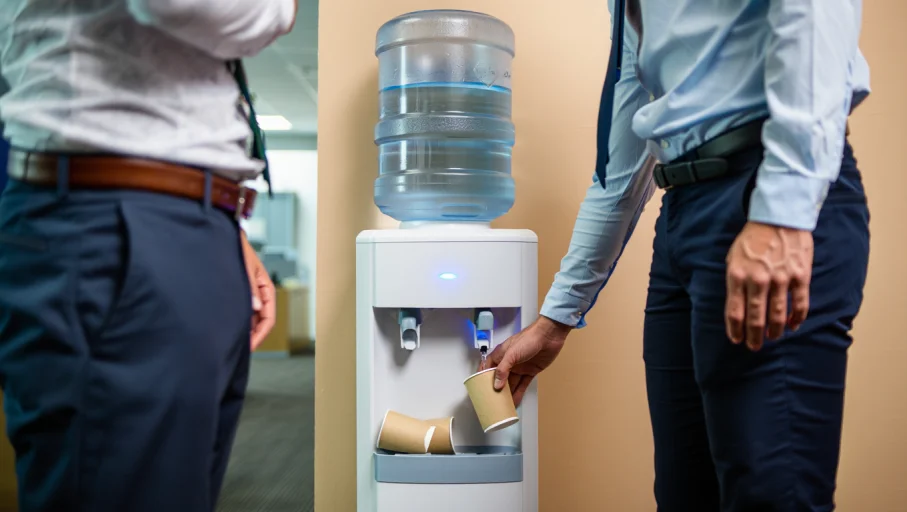
If you’re rethinking amenities for a hybrid or fast-growing office, you’ve likely wondered whether an office water dispenser is worth the investment. Spoiler: in most modern workplaces, the answer is yes—and the benefits stretch far beyond “cold water on tap.” From employee wellness and sustainability to brand impression and budget predictability, a thoughtfully chosen water program can punch above its weight in culture and ROI.
Why Water Still Matters in a World of Slack, Snacks, and Hybrid Schedules
For many teams, the office feels different than it did a few years ago. People come in for collaboration, heads-up work, and a sense of connection that’s tough to replicate at home. Amenities now double as cues: they tell employees, “This space was designed for you.” Water—simple as it is—carries outsized influence because it’s universal, inclusive (non-caffeinated, non-alcoholic), and linked to real health outcomes like better focus and energy.
Unlike a novelty perk that loses shine, a reliable dispenser becomes part of the daily rhythm: grab a glass before standup; refill your bottle on the way to a 1:1; offer a guest a chilled still or sparkling. It’s hospitality, wellness, and culture bundled into a single, quietly essential fixture.
The Business Case: Where the Value Shows Up
1) Employee Wellbeing and Focus
Hydration correlates with attention, mood, and energy levels. When water is pleasant to drink (cold, crisp, good-tasting), people naturally drink more. This is one of the simplest wellness upgrades you can make—no signup sheets, no new software habits, just easier access to great-tasting water.
2) Productivity and Time Savings
It’s amazing how much time teams spend managing cases of bottled water or trekking to the convenience store for last-minute client meetings. Centralized dispensers or scheduled delivery remove the hidden errands and interruptions—especially for admin and ops folks—freeing them to focus on higher-impact work.
3) Brand and Client Experience
First impressions are tactile: signage, lighting, the temperature of the room, and yes, the quality of water you offer. Chilled still or sparkling in real glasses (or sleek reusable bottles) communicates care and attention to detail, without feeling fussy or wasteful.
4) Sustainability and Reporting
If you’re tracking ESG goals, water programs can meaningfully cut single-use plastic and reduce transport waste, especially when you work with a local or regional provider and move to filtration-based systems. Many vendors can provide usage and impact data to fold into your sustainability reports.
5) Predictable Budgeting
With delivery plans or subscriptions, you’ll know exactly what you spend each month. That predictability beats sporadic bulk orders that spike during busy seasons or event-heavy months.
What Type of Office Water Solution Fits Your Team?
Choosing the right option comes down to your headcount, layout, and how people actually use the space. Here’s a quick guide.
Bottled Jug Dispensers (5-Gallon Style)
Best for: Small to mid-sized teams, satellite offices, or spaces without plumbing access.
Why people choose them: They’re simple, cost-effective, and fast to implement. You place the dispenser, schedule deliveries, and you’re set.
Considerations: You’ll need storage for full and empty bottles. Ask your provider about responsible bottle return and sanitation.
Bottleless (Point-of-Use) Filtration Systems
Best for: Offices with consistent foot traffic and available water lines.
Why people choose them: Unlimited filtered water, minimal packaging waste, and a sleek look. Many units offer hot and cold taps, touchless dispensing, and advanced filtration or UV sterilization.
Considerations: Requires installation and occasional filter changes (often handled by your provider). Placement planning is key (near a sink or in a break area with water access).
Countertop or Under-Counter Systems
Best for: Tight footprints, design-forward kitchens, or client-facing lounges.
Why people choose them: Clean aesthetics with taps integrated into counters; can include sparkling water.
Considerations: Higher upfront install; coordinate with facilities or tenant improvements.
Sparkling and Flavor Add-Ons
Best for: Teams who love variety (and want to cut canned seltzer waste).
Why people choose them: Elevated experience without stocking fridges full of single-use cans.
Considerations: Slightly higher service needs (CO₂ cylinders, maintenance). Still, it can reduce your beverage budget if you’re currently buying cases of seltzer.
Ice & Water Combos
Best for: Warmer climates or teams that love iced beverages.
Why people choose them: The combo is a crowd-pleaser; great for client service areas and all-day workshops.
Considerations: More moving parts—choose a reliable service partner.
Cost: How to Think About Budget Without Getting Lost in the Weeds
It’s easy to overcomplicate cost comparisons. Here’s a practical way to model it:
- Start with your headcount on a typical day in the office. Not FTE, but average daily attendance. If your 50-person team has ~30 in the office on any given day, use 30.
- Estimate usage. A common planning range is 1–2 liters per person per day (more if you host visitors or provide sparkling).
- Map to your setup.
- For bottled jug dispensers, think in terms of how many 5-gallon bottles you’ll go through weekly.
- For bottleless systems, focus on monthly subscription + install + filter service cadence.
- For sparkling upgrades, layer in CO₂ service and possibly a slightly higher monthly fee.
Many teams land on a hybrid: a couple of high-capacity bottleless units in the main break areas and one bottled dispenser in a back office that’s far from plumbing. The blended approach keeps costs sane while covering all corners of the floor plate.
Sustainability: Real Impact Without the Lecture
Modern teams want sustainability that’s practical, not performative. Water is a perfect example:
- Less single-use plastic: Moving from canned seltzer or individual bottles to dispensers (especially bottleless) drastically cuts packaging waste.
- Local sourcing & delivery routes: A regional provider reduces transit miles versus national shipping.
- Reusable culture: Give people branded or neutral reusable bottles and keep a few glass carafes for meetings.
- Data for ESG reporting: Ask your provider for usage stats and recycling/return figures you can share with leadership or in your annual impact report.
Health and Safety: What’s Inside the System Matters
Not all filtration is created equal. When evaluating units, look for:
- Activated Carbon Filtration: Great for taste and odor (chlorine, some organic compounds).
- Reverse Osmosis (RO): Deeper purification, often used when local water has dissolved solids or off-tastes.
- UV or Ozone Sterilization: Helps control microbial growth within the system.
- Remineralization & pH Balancing: Improves mouthfeel and taste after RO.
- Touchless Dispense & Antimicrobial Surfaces: A post-2020 must-have for many teams.
Ask providers for third-party certifications and to walk you through their sanitation protocol (both for equipment and for reusable jug programs).
Placement and Experience: Design the Habit You Want
A water program works best when it’s friction-free and visible.
- Place units on natural pathways. Near kitchens, collaboration zones, or between elevators and desks.
- Think traffic flow. One high-capacity station per 25–40 people per floor is a decent starting point; add a secondary unit near meeting rooms if your team hosts clients often.
- Mind accessibility. Confirm counter heights, clearance, and touch-free options comply with accessibility standards.
- Support reusables. Keep a stash of clean glassware and stock bottle brushes. Consider a bottle-filling spout to make refills mess-free.
- Add subtle cues. A small sign with “Still • Sparkling • Hot” helps people notice the features; a line about filtration builds confidence.
Maintenance: Who Does What?
One reason teams shy away from water programs is the fear of upkeep. That’s exactly why choosing the right partner matters.
- For bottled dispensers: Your provider delivers full bottles on a set cadence (and takes empties for sanitization and reuse). They’ll service the dispenser if it needs repair.
- For bottleless systems: Providers typically handle install, filter changes (often every 6–12 months, depending on water quality/usage), and proactive maintenance.
- For add-ons (sparkling/ice): Expect occasional CO₂ swaps and periodic cleanings. A good provider schedules these to minimize downtime.
Ask for a clear service-level agreement (SLA): response times, preventive maintenance schedule, and loaner equipment policies.
Common Misconceptions—And the Reality
“We’re small; it’s overkill.”
Even for a 10-person space, a single dispenser with scheduled delivery can beat the cost and waste of grocery-store cases. Plus, it instantly levels up your client hospitality.
“Tap water is fine; no one cares.”
People notice taste and temperature, especially in regions with hard water or a chlorinated taste. If you want folks to hydrate, make it pleasant.
“It’s too expensive.”
Compared to the soft costs of managing ad-hoc beverage runs—and hard costs of single-use cans—subscriptions are surprisingly competitive. Bottleless systems often pay for themselves over time in reduced packaging and logistics.
“It’s a hassle to manage.”
With the right partner, it’s mostly set-and-forget. Delivery schedules, filter changes, and maintenance are handled for you. You handle placement and occasional glassware restocking—nothing more.
“We’re hybrid; the office is half empty.”
That’s exactly why flexible, right-sized solutions exist. Start with a single unit and scale up only if you need to. You can also extend the perk to home offices with residential delivery.
The Hybrid Angle: Extending Hospitality to Home Offices
If your team is truly hybrid, consider a blended program:
- In-office: A bottleless system in the main kitchen + a bottled unit in a remote corner.
- At home: Offer employees a home delivery option (bottled or countertop filtration) as part of your wellness stipend.
- Events & Peaks: Temporarily increase deliveries for offsites, client intensives, or training weeks.
This approach keeps the in-office experience consistent while making hydration easy wherever people work. Employees appreciate perks they can actually use day-to-day, not just when they commute in.
How to Choose a Provider Without Second-Guessing
There are plenty of vendors out there. Use this checklist to make a confident choice:
- Local Expertise and Source: Is the water locally sourced or regionally delivered? Shorter routes mean fresher water and fewer emissions.
- Equipment Range: Do they offer both bottled and bottleless options, plus sparkling or ice if you want them?
- Filtration and Certifications: Can they explain their filtration tech in plain English and share certifications or quality standards?
- Service SLAs: What’s the guaranteed response time for repair or replacement? How do they handle preventive maintenance?
- Sanitation Protocol: For reusable jugs, what’s the cleaning process? For bottleless, what’s the maintenance schedule?
- Trial or Pilot: Can you test a unit for a few weeks before committing?
- Sustainability Reporting: Can they provide usage and impact data for your ESG reporting?
- Scalability: If your headcount changes, how easy is it to add or move units?
- Transparent Pricing: Flat monthly for rentals? Per-bottle rates? Any install or delivery fees?
- Customer Support: Is it easy to schedule deliveries, change quantities, or get help when something breaks?
Implementation Blueprint: From “We Should Do This” to Water-on-Tap
Step 1: Map Demand
List floors, typical daily headcount, and where people gather. Mark kitchens, cafes, huddle areas, and meeting clusters.
Step 2: Choose Mix of Units
Decide on bottled vs bottleless (or both). If you’re unsure, start with one bottleless main hub and a backup bottled dispenser.
Step 3: Plan Placement
Confirm clearance, power outlets, water line access (for bottleless), and ADA considerations.
Step 4: Schedule Delivery and Service
Align cadence with your busiest days. Build a quick internal SOP for who receives deliveries and where empties go.
Step 5: Communicate the Launch
Announce features (“Hot, cold, and sparkling now available!”), share a refill etiquette note, and consider gifting reusable bottles.
Step 6: Review After 30–60 Days
Check usage, peak times, and any bottlenecks. Adjust delivery or add a secondary unit if needed.
FAQs Teams Ask Before They Say “Yes”
How many units do we need?
A handy starting point: one high-capacity unit for every 25–40 daily users per floor, plus an extra near meeting rooms if you host guests often.
What about taste differences?
If your tap water has a strong taste, choose systems with carbon + RO and (ideally) remineralization. That combo yields a crisp, neutral flavor most people love.
Do we need a maintenance contract?
It’s highly recommended. A provider-managed plan ensures filters are changed on time, sanitation is consistent, and downtime is rare.
Is sparkling worth it?
If your team buys a lot of canned seltzer, sparkling taps can reduce cost and waste, while elevating the experience. Consider a pilot on one floor first.
Will people actually use it?
Yes—when placement, taste, and temperature are right. Adoption spikes when you introduce it with a simple internal campaign and provide reusable bottles.
The Bottom Line
In a modern workspace, an office water program is more than a utility—it’s a small, daily moment of care that pays dividends in wellness, culture, and operations. Whether you’re equipping a new floor, upgrading a tired break room, or standardizing amenities across locations, the right dispenser solution makes hydration effortless and sustainable.
If you’ve hesitated because you’re worried about cost, complexity, or upkeep, think of it this way: the water will flow either way. The only question is whether you want it to be high-quality, easy to manage, and aligned with your brand. With a smart provider, the answer is almost always yes.
Ready to Make Water the Easiest Win in Your Workspace?
If you’re looking for a partner that makes selection, installation, and service simple, Mountain Park Spring Water has you covered—with refreshments delivered right to your door. From bottled water to advanced filtration systems (including sparkling options), we’ll tailor a setup to your space and your team’s habits, then keep everything humming with dependable service. Having bottled water and filtration systems delivered to your home or office is easier than you think.
Explore your options and get a custom plan that fits your budget and footprint at Mountain Park Spring Water. Your team—and your guests—will taste the difference.