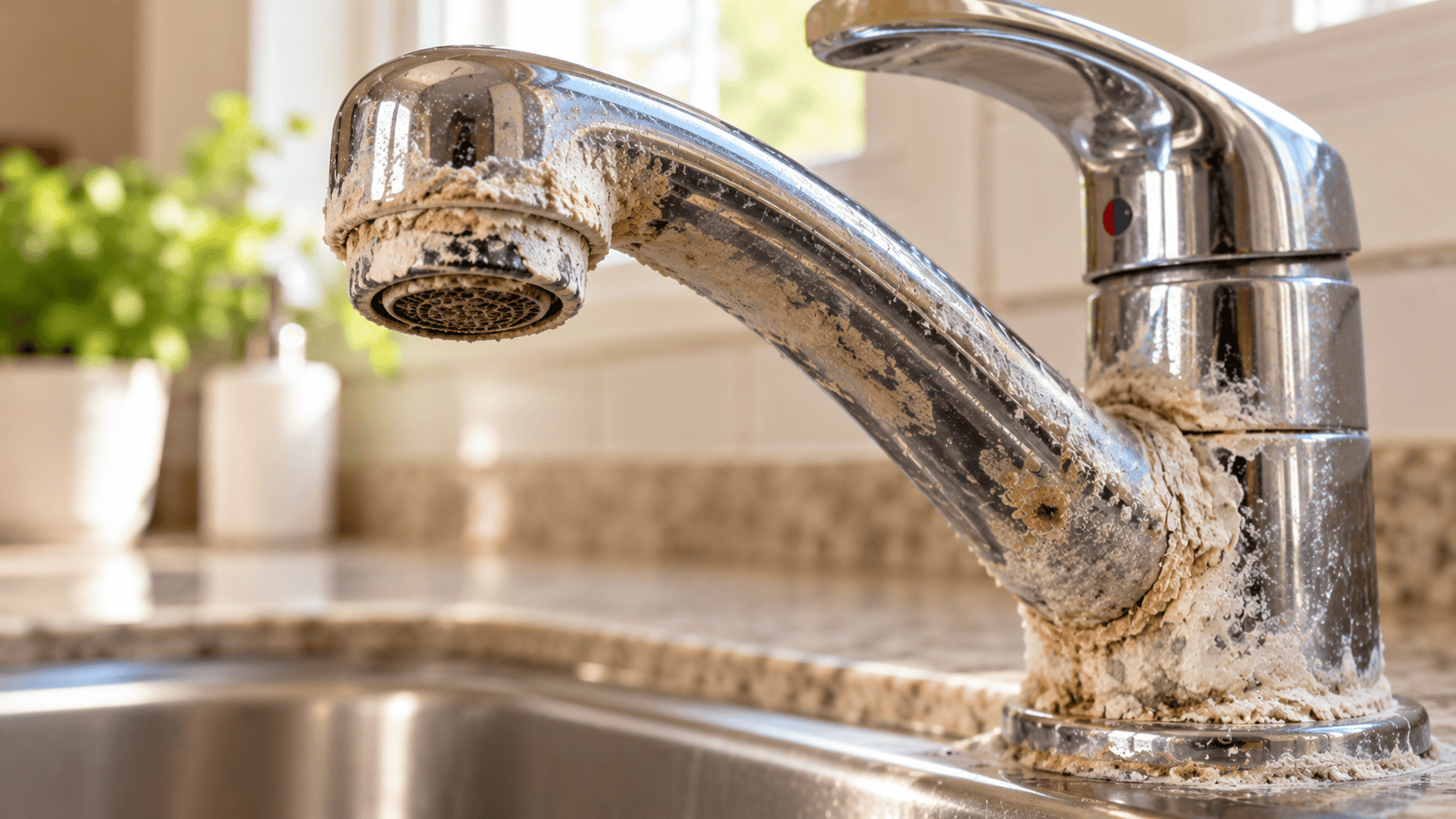
Total Dissolved Solids (TDS) represents the combined concentration of dissolved inorganic substances, minerals, and other compounds present in water, per the EPA Secondary Drinking Water Standards. These substances, including calcium, magnesium, potassium, salts, and carbonates, dissolve completely and become invisible to the naked eye while remaining fully active in the liquid. Think of stirring a
CONTINUE READINGAuthor: admin
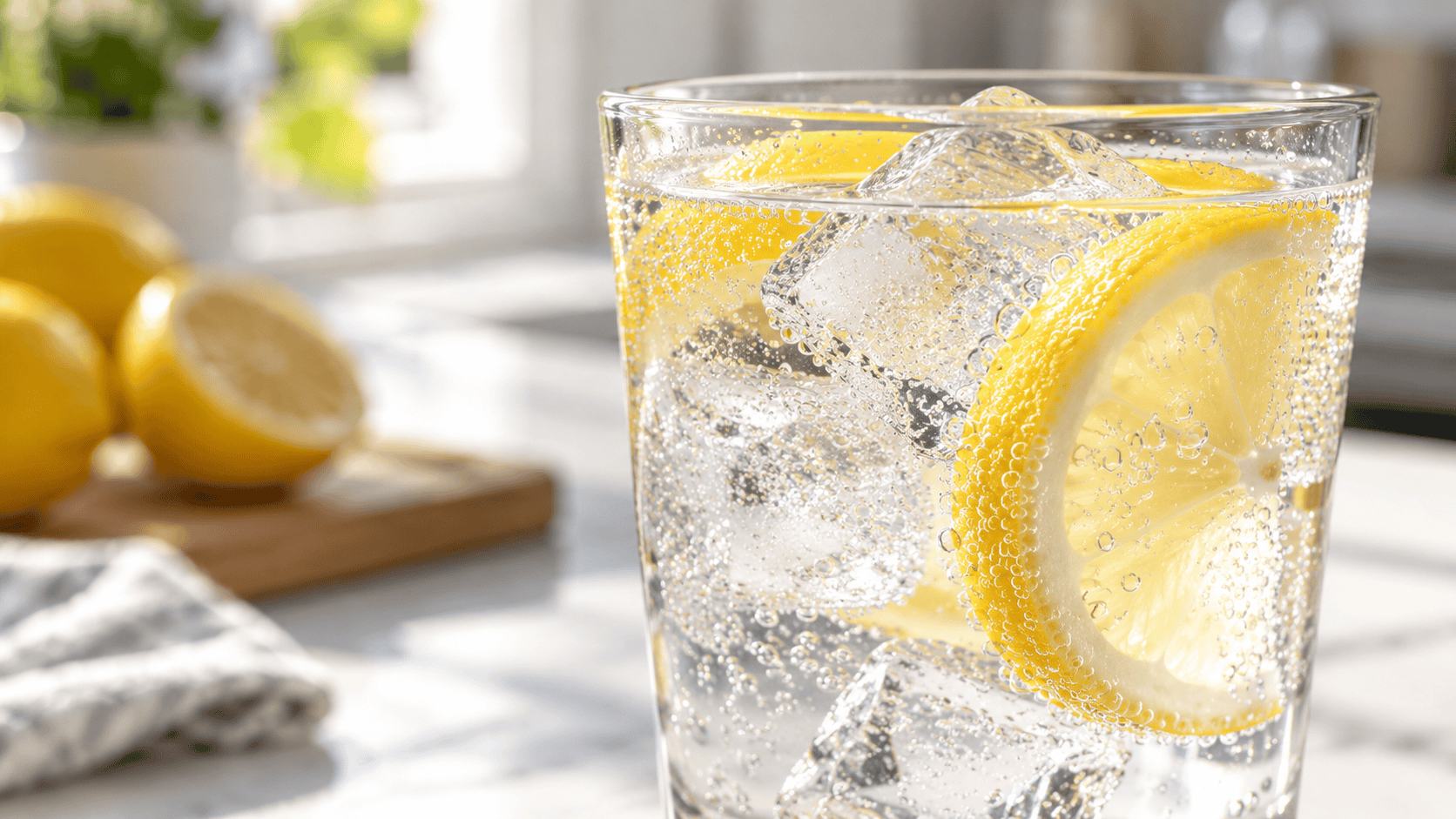
Does Sparkling Water Hydrate You? What the Science Really Says
Yes, sparkling water hydrates you just as effectively as still water. The carbonation does not alter the water molecules, and your body processes them the same way regardless of whether they arrived with bubbles. If you have ever wondered whether those satisfying fizzy sips were somehow working against you, the answer is no. It is
CONTINUE READING
What Is Still Water? A Guide to Plain, Pure Hydration
Still water is non-carbonated water in its natural, flat state: no dissolved carbon dioxide, no bubbles, and no effervescence. When you fill a glass from a spring-fed source or crack open a bottle of still mineral water, what you are drinking is exactly what the name suggests: water that stays calm. Unlike sparkling water, seltzer,
CONTINUE READING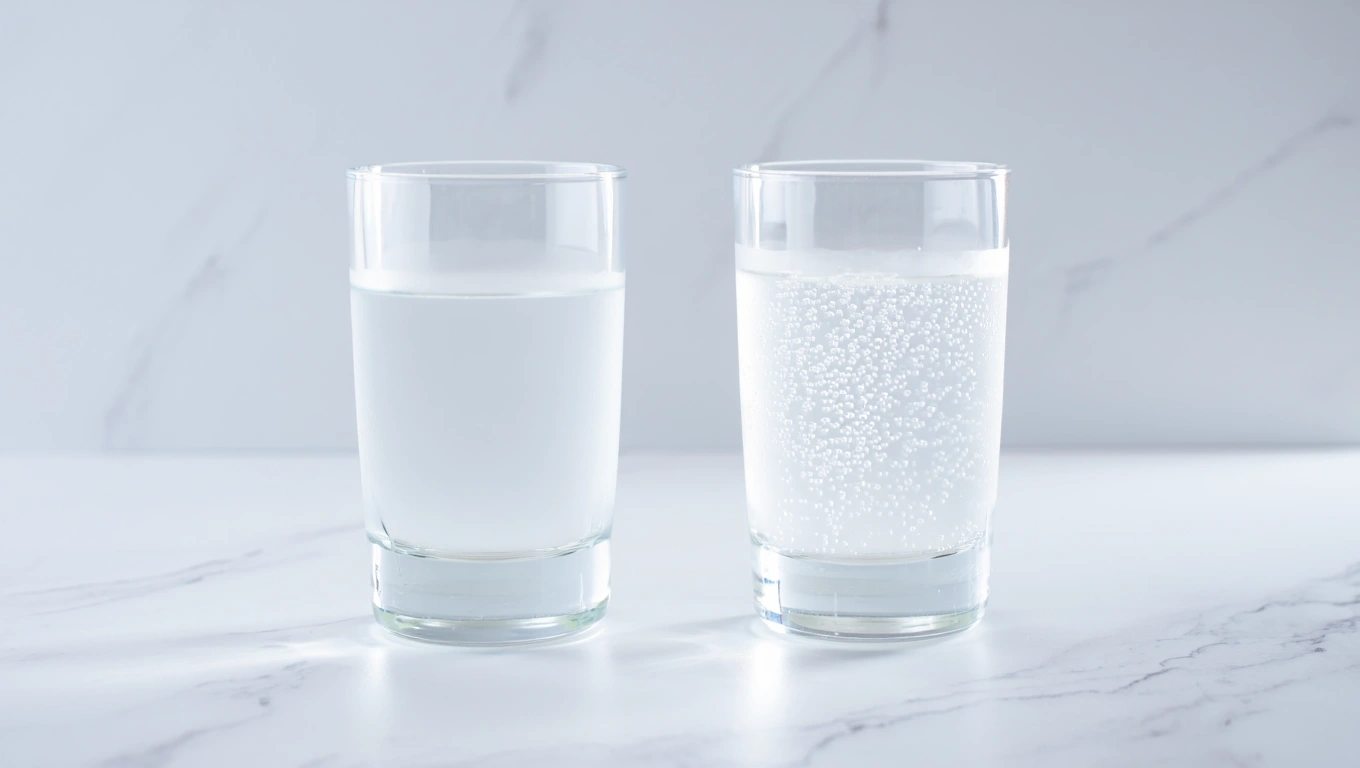
Is Carbonated Water Bad For You?
The Honest Truth About Your Favorite Fizzy Drink Plain carbonated water is not bad for you, and if you have been swapping sugary sodas for a cold bubbly water on a warm Carolina afternoon, you are making a genuinely astute trade. Across North Carolina and Virginia, more and more people are reaching for the fizz
CONTINUE READING
What Is Reverse Osmosis Water?
If you have been comparing bottled water, filtration systems, or water delivery options, you may be wondering, what is reverse osmosis water, and how is it different from ordinary tap or filtered water? Reverse osmosis water is water that has passed through a highly selective membrane designed to reduce dissolved minerals, salts, chemicals, and other
CONTINUE READING