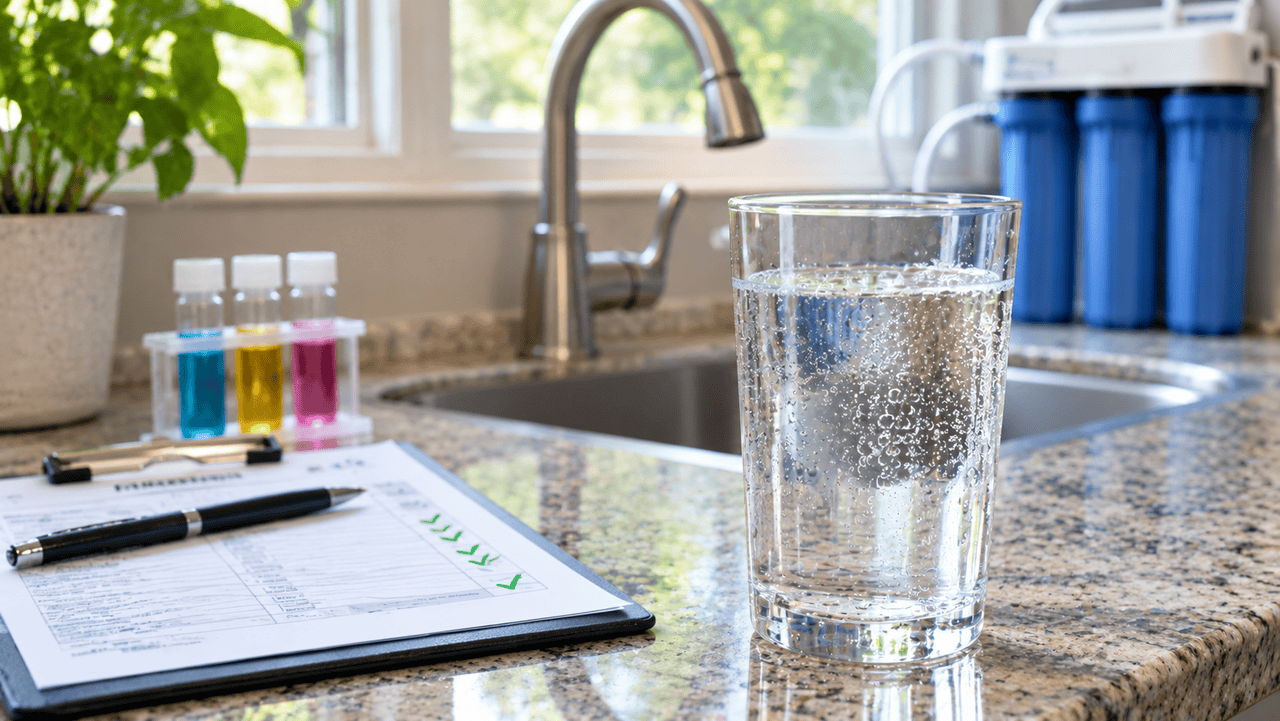
Well water can be safe to drink, but that safety is never guaranteed, and unlike your neighbor on city water, no federal agency is watching over your tap. Private well owners carry the full weight of water quality on their own shoulders, from testing schedules to treatment decisions to infrastructure upkeep. What makes this deeply
CONTINUE READINGCategory: Drinking Water
What Is TDS in Water? Total Dissolved Solids Explained
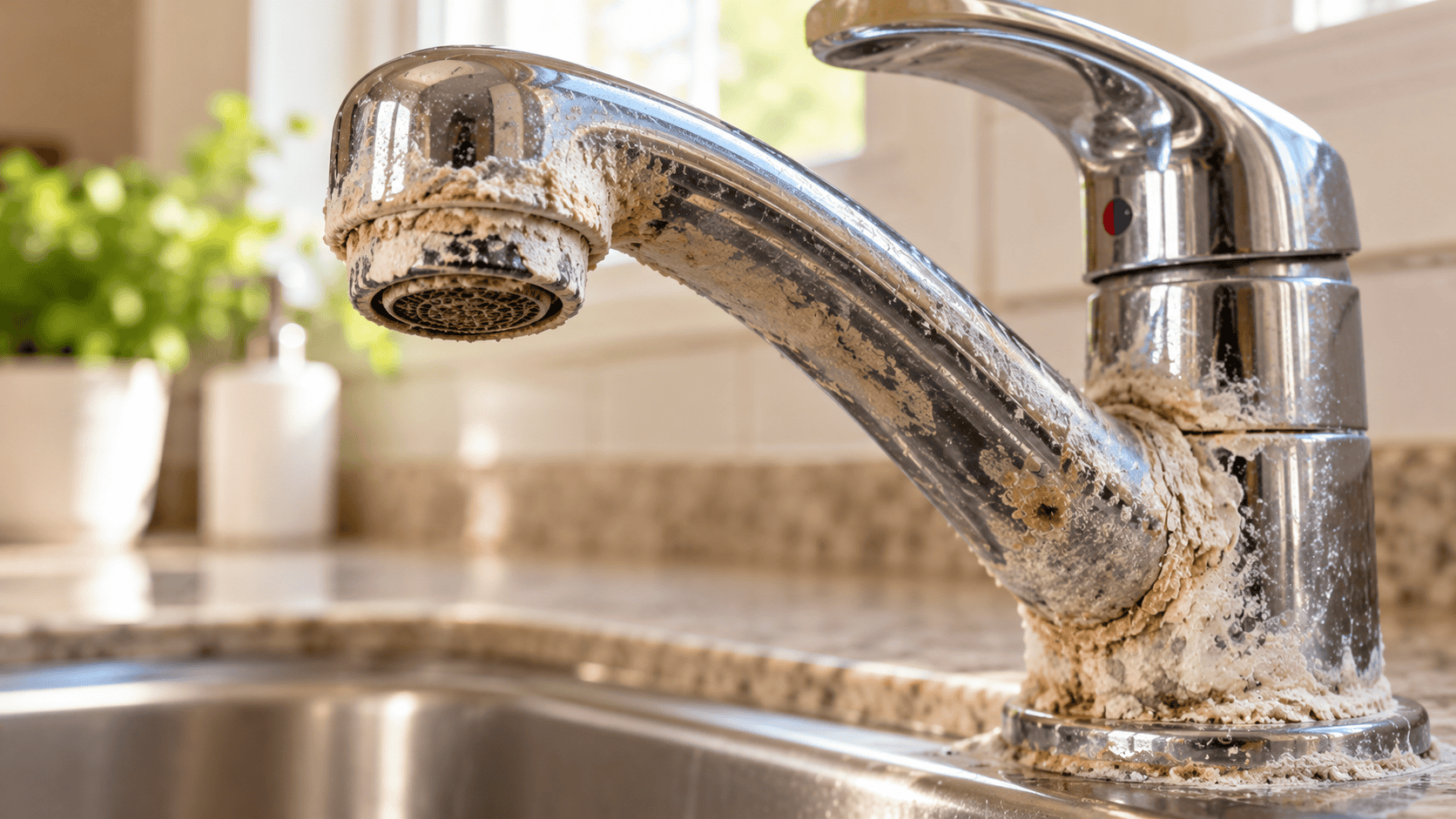
Total Dissolved Solids (TDS) represents the combined concentration of dissolved inorganic substances, minerals, and other compounds present in water, per the EPA Secondary Drinking Water Standards. These substances, including calcium, magnesium, potassium, salts, and carbonates, dissolve completely and become invisible to the naked eye while remaining fully active in the liquid. Think of stirring a
CONTINUE READING
What Is Still Water? A Guide to Plain, Pure Hydration
Still water is non-carbonated water in its natural, flat state: no dissolved carbon dioxide, no bubbles, and no effervescence. When you fill a glass from a spring-fed source or crack open a bottle of still mineral water, what you are drinking is exactly what the name suggests: water that stays calm. Unlike sparkling water, seltzer,
CONTINUE READING
What Is Reverse Osmosis Water?
If you have been comparing bottled water, filtration systems, or water delivery options, you may be wondering, what is reverse osmosis water, and how is it different from ordinary tap or filtered water? Reverse osmosis water is water that has passed through a highly selective membrane designed to reduce dissolved minerals, salts, chemicals, and other
CONTINUE READING
What Is Alkaline Water?
If you have noticed alkaline water on store shelves, in fitness centers, or on social media, you may be wondering: what is alkaline water, and how is it different from regular drinking water? Alkaline water has a higher pH level than standard tap or bottled water, meaning it is less acidic. Some varieties also contain
CONTINUE READING