
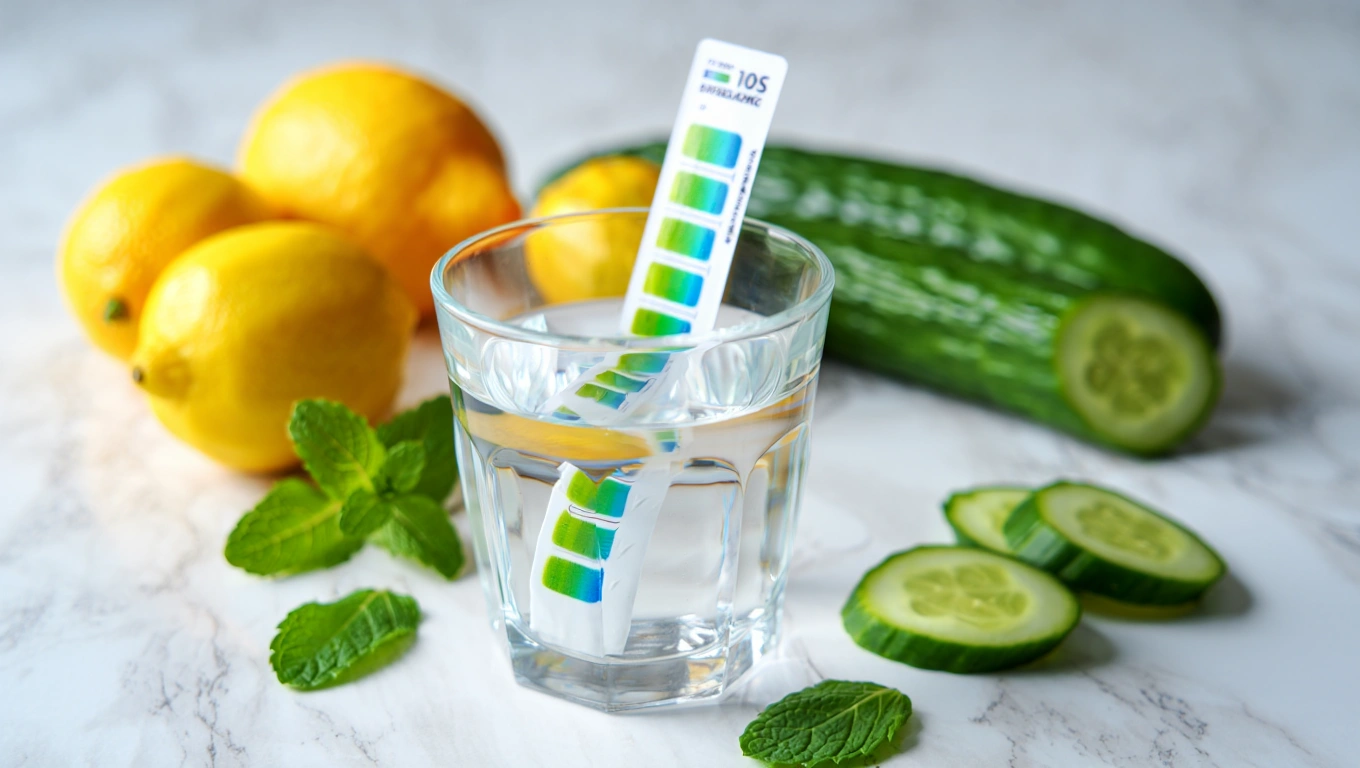
If you have noticed alkaline water on store shelves, in fitness centers, or on social media, you may be wondering: what is alkaline water, and how is it different from regular drinking water? Alkaline water has a higher pH level than standard tap or bottled water, meaning it is less acidic. Some varieties also contain minerals such as calcium, magnesium, potassium, and bicarbonate. While alkaline water has become a popular part of many wellness routines, it is important to understand what the term means, how the water is made, and what you can realistically expect from drinking it. The best choice ultimately comes down to water quality, personal preference, convenience, and your individual health needs.
Understanding the pH Scale
To understand alkaline water, it helps to start with the pH scale. The pH scale measures how acidic or alkaline a substance is and ranges from 0 to 14. A pH of 7 is considered neutral, while a number below 7 is acidic and a number above 7 is alkaline.
Regular drinking water typically has a pH close to neutral, although the exact level can vary depending on the source, treatment process, and mineral content. Alkaline water generally has a pH between 8 and 9.5. However, pH alone does not tell you everything about the quality or composition of the water. Two products can have the same pH but contain different amounts and types of minerals.
The pH levels of familiar substances help put the scale into perspective:
- Lemon juice is highly acidic
- Coffee is mildly acidic
- Pure water is neutral
- Alkaline water is mildly alkaline
- Baking soda mixed with water is more alkaline
The difference between regular water and alkaline water may sound small, but the pH scale is logarithmic. This means that each full number represents a tenfold difference in acidity or alkalinity. Even so, a higher pH does not automatically mean that a water product is healthier or better suited for every person.
How Is Alkaline Water Made?
Alkaline water can occur naturally or be created through a treatment process. Naturally alkaline water develops when water passes over rocks and through soil, collecting minerals along the way. Springs and underground water sources may contain calcium, magnesium, bicarbonate, and other minerals that increase the water’s pH.
Manufactured alkaline water is often produced through a process called electrolysis. A device known as a water ionizer uses electricity to separate water into acidic and alkaline streams. The alkaline portion is then intended for drinking, while the acidic portion may be used for cleaning or other non-drinking purposes.
Some bottled alkaline water is created by adding mineral compounds to purified water. Manufacturers may add electrolytes or alkaline minerals to raise the pH and influence the flavor. Because production methods vary, consumers should review product labels and water quality information rather than relying solely on the word “alkaline.”
Common methods of producing alkaline water include:
- Natural mineral collection from springs or aquifers
- Electrical ionization
- Mineral infusion
- Filtration combined with pH adjustment
- Addition of electrolytes or bicarbonate compounds
Each method creates a somewhat different final product. Naturally alkaline spring water, for example, may taste different from purified water that has been treated with added minerals.
What Does Alkaline Water Taste Like?
Taste is one of the main reasons some people choose alkaline water. Depending on its mineral content, alkaline water may taste smoother, softer, or slightly sweeter than certain types of tap water. It may also have less of the metallic, chemical, or chlorinated flavor that some people notice in municipal water.
However, flavor can vary significantly between brands and sources. Water with higher levels of calcium or magnesium may have a noticeable mineral taste. Water that has undergone extensive purification and then had minerals added may taste cleaner and lighter.
Temperature, packaging, storage conditions, and the condition of a water dispenser can also influence taste. Keeping bottled water in a cool location and regularly cleaning water coolers can help preserve freshness. Ultimately, the best-tasting water is a matter of personal preference.
Is Alkaline Water Better for Hydration?
Any safe drinking water can support hydration. Your body needs water to regulate temperature, transport nutrients, support digestion, lubricate joints, and maintain normal organ function. The most important factor is drinking enough water consistently throughout the day.
Some alkaline water products contain electrolytes, which are minerals involved in fluid balance, muscle contractions, and nerve function. Electrolyte-containing water may appeal to people who exercise frequently, work outdoors, or simply prefer the taste. However, most people can obtain the electrolytes they need through a balanced diet.
Alkaline water should not be viewed as a replacement for appropriate hydration planning during intense exercise, extreme heat, illness, or prolonged fluid loss. In those circumstances, a healthcare professional may recommend a beverage with a specific balance of carbohydrates and electrolytes. For everyday hydration, alkaline water can be a convenient option if you enjoy it and it encourages you to drink more water.
Common Claims About Alkaline Water
Alkaline water is often promoted with claims related to energy, digestion, acid balance, athletic performance, and overall wellness. It is important to approach these claims thoughtfully. Your body already has sophisticated systems that regulate pH, particularly through the lungs and kidneys. Drinking alkaline water does not dramatically change the pH of your blood in a healthy person.
The stomach is also naturally acidic because acid is necessary for digestion. When alkaline water reaches the stomach, its pH can be affected by gastric acid. This is one reason broad claims about “alkalizing the body” can be misleading.
Research into alkaline water is ongoing, and some small studies have examined specific uses or short-term effects. However, many popular health claims are not yet supported by strong, large-scale evidence. Choosing alkaline water is generally more about hydration preference than transforming the body’s internal chemistry.
A practical way to evaluate alkaline water is to ask:
- Does it come from a trustworthy provider?
- Is the water tested for safety and quality?
- Do you enjoy the taste?
- Does the product fit your budget?
- Does it help you drink water more consistently?
- Are the marketing claims realistic and clearly explained?
These questions can help you focus on the features that matter most.
Potential Benefits of Choosing Alkaline Water
Although alkaline water is not a cure-all, it may offer practical benefits for certain households and workplaces. The most obvious benefit is that an enjoyable water option can encourage better hydration habits. People are more likely to reach for water throughout the day when they like its taste and have convenient access to it.
Mineral-containing alkaline water may also provide small amounts of calcium, magnesium, or potassium. The quantity varies by source, so alkaline water should not replace nutrient-rich foods or supplements recommended by a healthcare provider. Still, some consumers appreciate water that naturally contains minerals.
Possible everyday advantages include:
- A smooth or refreshing taste
- Convenient hydration at home or work
- Access to naturally occurring minerals
- An alternative to sugary drinks
- Support for consistent water-drinking habits
- Easy availability through bottled water delivery
Replacing soda, sweet tea, or high-calorie beverages with water can be a meaningful lifestyle change. In that sense, the greatest benefit may come from choosing water more often, whether it is alkaline, spring, purified, or filtered.
Can You Drink Alkaline Water Every Day?
Many healthy adults can drink moderately alkaline water as part of their normal hydration routine. However, higher pH does not mean that unlimited consumption is appropriate. Extremely alkaline water may have an unpleasant taste and could interfere with normal digestive acidity when consumed excessively.
People with kidney disease, heart conditions, digestive disorders, or conditions that affect electrolyte balance should speak with a healthcare professional before making significant changes to their water or mineral intake. The same applies to anyone taking medications that affect kidney function, blood pressure, or electrolyte levels.
It is also smart to check the label or provider information for the water’s pH and mineral composition. A reputable company should be transparent about where its water comes from and how it is treated. Water safety, cleanliness, and testing standards matter more than chasing the highest possible pH number.
How Alkaline Water Compares With Other Types of Water
The bottled water category includes several options, and the terminology can be confusing. Alkaline water refers primarily to pH, while terms such as spring, purified, distilled, and mineral water describe the source or treatment method.
Spring water comes from an underground formation where water naturally flows to the surface or is collected from the source. It may contain naturally occurring minerals depending on the surrounding geology. Purified water has been treated to remove impurities through processes such as reverse osmosis, distillation, or deionization.
Distilled water is produced by boiling water and collecting the condensed steam. This process removes many minerals and dissolved substances. Mineral water comes from an underground source and contains a consistent level of naturally occurring minerals.
A product can fit more than one category. For example, spring water may be naturally alkaline if its mineral composition raises its pH. Purified water can also be alkaline if minerals are added or the pH is adjusted after filtration.
What to Look for When Choosing Alkaline Water
Not all alkaline water products are identical. Instead of selecting the bottle or service with the biggest pH number, look at the overall quality and reliability of the provider.
Consider these factors:
- Water source: Find out whether the water comes from a spring, municipal supply, or another source.
- Treatment method: Look for information about filtration, purification, mineral addition, or ionization.
- Testing practices: Choose water from a provider that follows appropriate quality and safety procedures.
- Mineral content: Review available information about calcium, magnesium, sodium, and other dissolved minerals.
- Packaging options: Consider bottle size, reusable containers, dispensers, and storage requirements.
- Delivery reliability: For homes and offices, consistent delivery can make staying hydrated easier.
- Customer service: A responsive local provider can help with scheduling, equipment, and account questions.
For office environments, convenience is especially important. A dependable water delivery schedule can help employees and visitors access fresh water without relying on individual plastic bottles or last-minute supply runs.
Building Better Hydration Habits
The type of water you choose matters less if you rarely drink it. Building a consistent hydration routine can help you feel more comfortable and attentive throughout the day. Individual water needs vary based on activity level, climate, body size, diet, pregnancy, medications, and health conditions.
Simple ways to make hydration easier include:
- Drink water with meals
- Keep a reusable bottle nearby
- Use a home or office water cooler
- Drink before, during, and after exercise
- Add fruit slices for flavor
- Set reminders during busy workdays
- Refill your glass whenever it is empty
Pay attention to thirst and other signs that you may need more fluids. Hot weather, outdoor work, travel, and physical activity can all increase your hydration needs. People in North Carolina and Virginia may need to be especially mindful during warm, humid summer conditions.
Frequently Asked Questions
What pH is alkaline water?
Alkaline water generally has a pH above 7, with many commercial products falling between 8 and 9.5. The exact pH depends on the source and treatment method.
Is alkaline water the same as mineral water?
No. Alkaline water is defined by its pH, while mineral water is defined by its source and mineral content. Some mineral water is naturally alkaline, but the terms are not interchangeable.
Does alkaline water change your body’s pH?
Drinking alkaline water does not significantly change blood pH in a healthy person. The lungs and kidneys tightly regulate the body’s acid-base balance.
Is alkaline water safe for children?
Standard drinking water is usually sufficient for children. Parents should consult a pediatrician before regularly giving children highly alkaline water or water with elevated mineral levels.
Can you cook with alkaline water?
Yes, alkaline water can generally be used for cooking, coffee, tea, and food preparation. Its mineral content and pH may slightly influence flavor.
Is a higher pH always better?
No. An extremely high pH does not automatically make water healthier. Safety, purity, mineral balance, taste, and responsible treatment practices are more important.
Does alkaline water contain electrolytes?
Some alkaline water contains natural or added electrolytes such as calcium, magnesium, potassium, or sodium. Check the product information because mineral content varies.
Can alkaline water replace sports drinks?
For ordinary daily hydration, it may be a lower-sugar alternative. During prolonged or intense activity, however, some people may need a beverage with a more specific electrolyte and carbohydrate balance.
How should bottled alkaline water be stored?
Store it in a cool, dry place away from direct sunlight, chemicals, and strong odors. Follow the provider’s instructions for reusable bottles and water cooler sanitation.
Enjoy Convenient Water Delivery From Mountain Park Spring Water
Understanding alkaline water allows you to look beyond wellness trends and focus on what truly matters: safe water, dependable quality, enjoyable taste, and convenient access. Whether you prefer alkaline water, natural spring water, or another drinking water option, having a reliable supply at home or work can make healthy hydration habits easier to maintain.
We provide home and office water delivery services throughout North Carolina and Virginia. With convenient delivery options and dependable service, our team can help your household or workplace keep fresh drinking water readily available. Contact us to explore available water delivery services, find options that fit your needs, and schedule dependable service for your home or office today.