
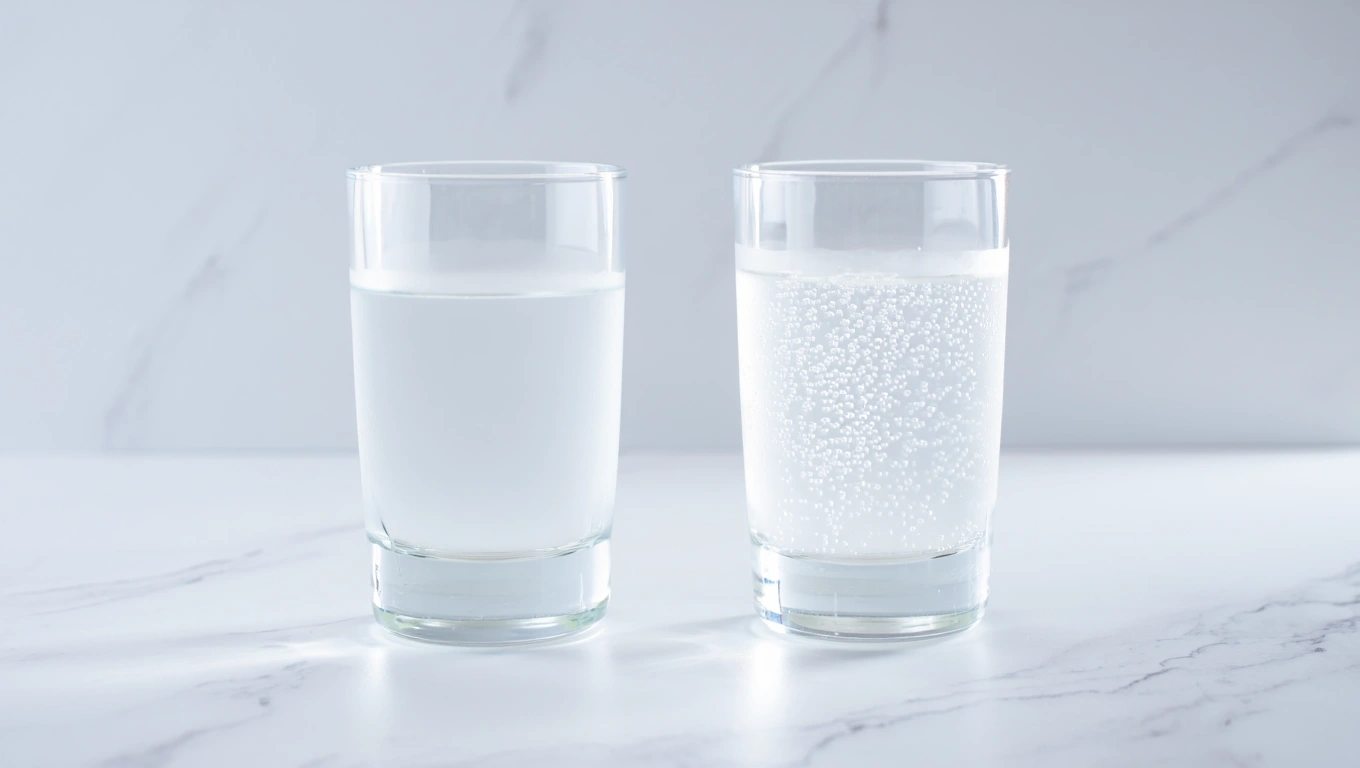
The Honest Truth About Your Favorite Fizzy Drink
Plain carbonated water is not bad for you, and if you have been swapping sugary sodas for a cold bubbly water on a warm Carolina afternoon, you are making a genuinely astute trade. Across North Carolina and Virginia, more and more people are reaching for the fizz without the guilt, and the science largely backs them up. That said, carbonation does carry a few mild physiological nuances worth understanding, particularly around dental enamel and stomach comfort, and those nuances are worth getting right rather than dismissing or catastrophizing.
Carbonation works by dissolving carbon dioxide gas into water under pressure, which forms carbonic acid and gives the liquid its distinctive effervescence. The resulting drink is mildly acidic; it is not dramatically so, but it is enough to prompt genuine questions about long-term effects on teeth, bones, and digestion. Understanding the broader health benefits of water in its purest form helps frame why the type of water you drink daily truly matters, and why plain carbonated water occupies a meaningfully different category than the sugary, phosphoric-acid-laden sodas it so often replaces.
The scientific consensus on carbonated water is straightforward:
- Dental Impact: Plain carbonated water is mildly acidic, but it sits in an entirely different risk category from commercial sodas or citrus-flavored drinks. The concern is real but manageable with a few simple habits. Simple habits protect your teeth.
- Digestive Effects: Carbonation does not slow gastric emptying, though it does shift how food distributes in the stomach, and drinking large amounts quickly can cause temporary gas or bloating.
- Bone Health: The persistent worry about carbonation weakening bones traces back to studies on dark colas, not plain carbonated water. Phosphoric acid, which is found in colas and not plain seltzer, is the actual culprit behind those findings.
- Hydration Status: Fizzy water hydrates just as effectively as still water, making it a legitimate and refreshing tool for staying on top of your daily fluid intake.
The Chemistry of Fizz: Carbonation and Dental Enamel
When carbon dioxide dissolves in water under pressure, the resulting carbonic acid lowers the liquid’s pH, and that is where the dental conversation begins. Commercial carbonated water varieties exhibit a pH range of 4.18 to 5.87, according to a peer-reviewed NIH dental erosion study. That range matters because dental enamel demineralization begins when pH drops below 5.5, meaning some carbonated waters, particularly those at the lower end of that range, technically cross the erosion threshold. Think of it like a light spring shower slowly wearing away river rocks over decades: consistent, low-level acid exposure can gradually affect enamel if you are not paying attention to how and when you are drinking. The analogy holds in another important way, too: the pace of that erosion is slow enough that deliberate practices make a genuine difference.
The practical risk is considerably smaller than those pH numbers suggest in isolation, and that gap between laboratory findings and real-world outcomes is worth understanding. Saliva is your natural shield. Erosion studies are largely conducted in vitro, under conditions that do not replicate what truly happens in your mouth. Natural salivary flow acts as a powerful buffer, neutralizing mild acids in real time, and the protective pellicle coating your enamel adds another layer of defense that in vitro models simply cannot account for. High-level carbonation, which refers to the intense bubbles produced by a home carbonation machine, does generate greater acidity and a measurably higher erosion rate compared to low-level carbonation, so if you are making your own fizzy water at home, that is a relevant variable to factor in. Mineral additives like calcium chloride or calcium glycerophosphate have been shown to significantly reduce enamel demineralization, which is one reason some commercial carbonated mineral waters are easier on teeth than plain seltzer. For a closer look at how carbonation chemistry translates to real-world dental outcomes, the effects of carbonated water on teeth piece works through the nuances in detail.
[Inline Image]PLACEHOLDER A bright, high-resolution photograph of a clear glass filled with bubbly water, bubbles rising through the liquid, resting on a weathered wooden table. Soft natural light filters through a window onto a blurred green garden background. The mood is clean, refreshing, and honest, not overly styled. Photorealistic, warm tones, shallow depth of field, no text overlays.[/Inline Image]
How Carbonated Water Interacts With Your Stomach and Digestion
Carbonation’s effect on digestion is more layered than most people expect, and the research tells a story that is reassuring in some respects and worth noting in others.
- Gastric Emptying: Carbonated water does not alter the overall rate at which your stomach empties solid or liquid meals. The timeline of digestion stays intact, which means carbonated water will not disrupt your body’s intrinsic digestive rhythm regardless of when you drink it.
- Intragastric Distribution: Where carbonation does make a measurable difference is in how food sits within the stomach. Consuming carbonated water instead of still water retains a greater proportion of both solids (74% versus 56%) and liquids (43% versus 27%) in the proximal, or upper stomach, which is a shift driven by temporary gastric distension from the dissolved gas. This does not impair digestion, but it does explain the sensation of fullness or pressure that some people notice.
- The Bloating Threshold: Symptoms of mechanical gastric distress, such as the fullness, pressure, and gas commonly associated with carbonated water, typically only appear when someone consumes more than 300 ml of a carbonated beverage at one sitting. Moderate, paced consumption rarely causes issues for people without underlying digestive conditions, and volume consciousness largely resolves the problem.
- Pre-existing Conditions: For anyone managing active acid reflux or GERD, the physical expansion of gas in the stomach can sometimes aggravate symptoms. Still water is the more predictable choice for continuous daily sipping in those cases. Listen to your body. It is worth noting that the overall epidemiological evidence connecting carbonated water to GERD is contradictory and methodologically limited; there is no clean, settled answer there yet, and anyone with persistent reflux symptoms should work through it with their physician rather than relying on general guidance.
Debunking the Bone Density Myth
Few myths in nutrition have shown more remarkable persistence than the idea that carbonated water leaches calcium from bones. The research does not support it, and tracing the misconception back to its origin makes clear why it has persisted so stubbornly.
- The Root of the Misconception: The studies that raised bone density concerns were examining dark, sugary colas, not plain carbonated water. The two beverages get frequently conflated in popular health coverage, but they are chemically quite different products.
- The Culprit Identified: Commercial colas contain phosphoric acid, which can interfere with calcium absorption and has been associated with reduced bone mineral density in some research. Plain carbonated water contains no phosphoric acid whatsoever. Your bones are safe.
- No Bone Loss: There is no scientific evidence linking plain carbonated water, mineral water, or seltzer to osteoporosis or measurable bone density loss. The carbonation itself is not the mechanism of concern.
- Mineral Benefits: Carbonated mineral waters that contain natural calcium and magnesium may genuinely contribute meaningfully to daily mineral intake and support bone health, which is a point that tends to get lost when the entire carbonated water category gets painted with the same brush as cola.
Carbonated Water vs. Still Water: Finding Your Hydration Balance
Both carbonated and still water hydrate effectively, and the choice between them does not need to be all-or-nothing. The meaningful difference is in how they fit into a daily routine. Balance is key. The physical sensation of bubbles can create a sense of fullness faster than still water, which occasionally leads people to drink less total liquid than their body truly needs. This is not because the water is less hydrating, but because the stomach registers satisfaction sooner. Think of bubbly water the way you would think of a good recreational indulgence: genuinely enjoyable and worth having regularly, but pure still water is the reliable, uncomplicated foundation you build everything else on. Most people who struggle to hit their daily hydration targets do better when still water is the default and bubbly water is the occasional variation, rather than the other way around.
Label reading matters more than most people expect, and this is where the landscape becomes intricate. Many commercial fizzy water brands add citric acid, tartaric acid, artificial sweeteners, or elevated sodium levels to their flavored varieties, and those additives shift the risk profile considerably. Citric acid, in particular, is far more erosive to dental enamel than carbonic acid alone; the carbonation is almost incidental compared to what the flavoring agents are doing. When you are evaluating what to drink beyond plain water, the water vs sports drinks comparison puts the additive question in useful context and makes the case for plain water even more clearly.
Why Pure Still Spring Water Is the Ultimate Hydration Baseline
Natural spring water flows from deep underground, filtered by the earth over time, arriving at the surface with a balanced mineral profile and a pH that sits comfortably above the enamel erosion threshold. Unlike processed municipal tap water, which carries the chemical signature of treatment additives, or carbonated beverages with their mild acidity, pure spring water offers a pristine, refreshing profile that tends to encourage more drinking, not because of marketing, but because it genuinely tastes better than the alternatives most households settle for. Exploring the health benefits of spring water makes clear how those naturally occurring minerals, including calcium, magnesium, and trace bicarbonates, contribute to daily wellness in ways that processed or acidic alternatives simply cannot replicate. Mountain Park Spring Water has been sourcing from Good Springs in Mountain Park, NC, and delivering that water to families across Winston-Salem, Greensboro, High Point, and throughout Virginia for generations, and the dedication to uncompromised quality has not changed with the decades.
[Inline Image]PLACEHOLDER A warm, sunlit photograph of a multigenerational family sitting on a rustic wooden front porch in the Blue Ridge foothills, sharing a pitcher of cold, clear water on a bright afternoon. The mood is relaxed, genuine, and unhurried, a real family moment, not a stock-photo setup. Soft golden light, natural wood textures, lush green hills visible in the background. Photorealistic, warm color palette, no text overlays.[/Inline Image]
How to Enjoy Carbonated Water Without Damaging Your Teeth
A few straightforward adjustments make a real difference in how carbonated water interacts with your enamel over time, and none of them require giving up the fizz entirely. Protect your smile.
- Drink with Meals: Enjoying carbonated water alongside food is one of the most effective protective habits you can build. Chewing stimulates salivary flow, which naturally buffers and neutralizes the mild acids from carbonation before they have extended, uninterrupted contact with enamel surfaces.
- Use a Straw: Sipping carbonated beverages through a straw reduces direct contact with your front teeth, which bear the most exposure during typical drinking. It is a small physical modification with a meaningful cumulative effect over months and years of daily consumption.
- Rinse with Still Water: After finishing a carbonated drink, a quick sip of pure still water washes away residual acidity and helps restore a neutral oral environment. Avoid brushing immediately after an acidic drink; enamel is temporarily softened by acid exposure, and brushing at that moment can cause more abrasion than it prevents.
- Avoid Citric Additives: Flavored carbonated waters that list citric acid or lemon juice among their ingredients are considerably more erosive than plain carbonated water. The carbonation itself is mild; the organic acids added for flavor are not, and that distinction matters when you are choosing between products.
A Surprising Benefit: Carbonation and Swallowing Support
Most of the conversation around carbonated water focuses on what it might harm, which makes one well-documented clinical finding easy to overlook. Among older adults and individuals dealing with deglutition impairment, which is a condition called dysphagia, carbonation appears to provide genuine therapeutic value rather than a liability. An NIH-published dysphagia study found that 87% of individuals with deglutition impairment showed improved swallowing function when consuming carbonated liquid. The physical sensation of bubbles provides sensory stimulation that helps coordinate the swallowing reflex, a mechanism that can deteriorate with age or following neurological events like stroke. That is a meaningful clinical outcome, not a negligible detail. Bubbles help. This does not transform carbonated water into a medical treatment, but it does illustrate that carbonation carries genuine physiological value in specific contexts, and that the full picture of its effects is more balanced than the dental-risk conversation alone would suggest.
Navigating the Local Water Landscape in North Carolina and Virginia
Across the Piedmont Triad, from Winston-Salem to Greensboro and High Point, and throughout Virginia, the quality of local water sources varies more than most residents realize, and the differences are not always visible or tasteable until you have had something better to compare against. Municipal tap water in the region undergoes chemical treatment that, while meeting regulatory standards, leaves a detectable taste and introduces treatment byproducts that health-conscious households often prefer to avoid. Private well water introduces a different set of variables: mineral content, potential agricultural or industrial runoff, and seasonal fluctuations that make consistency genuinely difficult to guarantee without regular independent testing.
Delivered spring water sidesteps both of those concerns entirely. It is pure. The mineral profile is stable, the taste does not shift with seasonal changes in the watershed, and you are not relying on aging municipal infrastructure or a well that may have been drilled before the surrounding land use changed. Mountain Park’s multi-generational operation was built specifically to serve this region, and that regional responsibility, the kind that comes from a family whose name is on the truck and whose neighbors are the customers, is something a national brand simply cannot replicate. When Robert Douglas founded Mountain Park Spring Water in 1979 after discovering his Winston-Salem tap water exceeded permissible thresholds for heavy metals, the mission was clear: give local families access to water they could trust without reservation.
Frequently Asked Questions About Carbonated Water
Is it okay to drink carbonated water every day?
Yes, plain, unsweetened carbonated water is generally safe to enjoy daily, provided it does not trigger gastrointestinal issues like bloating or acid reflux for you personally. To protect your dental enamel and ensure your total fluid intake stays where it needs to be, pairing your carbonated drinks with a consistent baseline of pure still water throughout the day is the most prudent long-term strategy.
Is carbonated water hard on the kidneys?
For healthy individuals, carbonated water poses no known risk to kidney function. The concern typically arises from conflating plain carbonated water with sugary sodas, which contain high sodium levels and phosphoric acid, which are compounds that are genuinely problematic in excess. If you are curious about how packaged waters are monitored for safety and quality at the federal level, you can read about how bottled water is regulated for a clear breakdown of the oversight process.
Does carbonated water cause bloating?
It can, particularly in larger quantities or when consumed quickly. The dissolved carbon dioxide gas introduces extra air into the digestive tract, which can produce temporary gas, belching, or a feeling of fullness, especially if you drink more than 300 ml in a short window. Paced, moderate consumption largely avoids the issue for most people without underlying digestive conditions.
Is carbonated water as healthy as regular water?
Plain, unsweetened carbonated water hydrates just as effectively as still water and is a superb calorie-free substitute for sugary sodas. Because of its mild acidity and the potential for digestive discomfort in larger volumes, still water remains the lower-friction choice for continuous all-day sipping, but carbonated water is a legitimate and healthy part of a well-rounded hydration routine when consumed mindfully.
What are the pros and cons of carbonated water?
The main advantages are solid hydration and a sugar-free alternative to soda that genuinely helps people move away from soft drink habits without feeling deprived. On the other hand, the mild acidity can affect tooth enamel over time with constant, unmanaged consumption, and the dissolved gas can cause temporary bloating or stomach discomfort, particularly for those with sensitive digestion or pre-existing reflux conditions. The risk profile shifts considerably if the carbonated water contains added citric acid, sweeteners, or sodium, which is why label reading matters.
You do not have to give up your carbonated water to stay healthy. Keep it simple. Plain, unsweetened carbonated water is a far better choice than the sugary sodas it replaces, and with a few mindful habits around timing and label reading, the dental and digestive concerns are manageable for most people. Where things get genuinely simpler is when you stop treating hydration as a complicated decision and start treating it as a foundation. A daily baseline of pure, natural still water, which is the kind that does not ask anything of your enamel or your stomach, takes the pressure off every other hydration choice you make throughout the day. Your family’s health does not need to be complicated, expensive, or stressful to get right, and the water you drink every single day is one of the easiest places to get it exactly right.
Ready to Make the Switch to Honest, Local Water Delivery?
“After dealing with two other delivery services for water and both were a frustrating nightmare to deal with, I contacted Mountain Park, and the difference in service was night and day. They were friendly, caring, and the entire process was a breath of fresh air (and water). Jonathan delivered our water today, and he was extremely friendly, went over the process with me, and also let me know that when they deliver, they only replace and charge for whatever number of empty bottles, as they would not want us to pay for what we didn’t need. He even brought them into the house and placed them on our bottle rack. It is exactly how any delivery service should be. The fact that they are local and family-owned just adds to our satisfaction. If you’re still not sure, just trust me and call them. They are a joy to work with.”, Wayne Gibson
No delivery fees and no fuel surcharges, ever.
Call us at 336-761-0884 or visit us at 2835 Lowery Street in Winston-Salem. Let us handle your home water delivery so you can focus on what matters most, from our family to yours.